
Articles for teachers

Curiosidad, emoción y vínculo

Curiosity, Emotion and Bond: The Neuroeducational Triangle That Transforms Learning

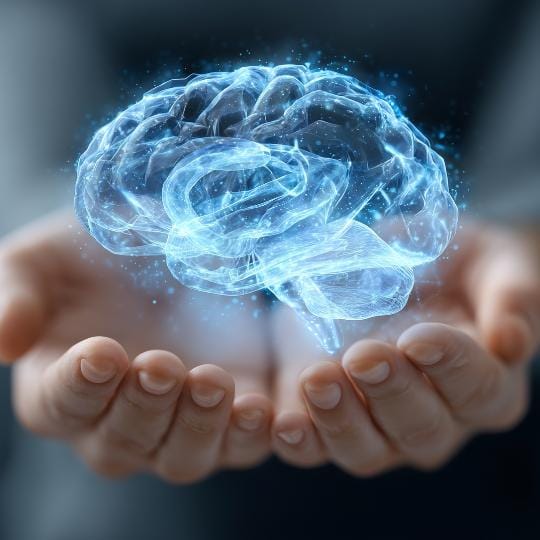
Curiosity, Emotion and Bond: The Neuroeducational Triangle That Transforms Learning Why curiosity, emotion and bond are the foundation of learning: a neuroeducational perspective Neuroeducation has revealed that learning does not depend solely on teacher explanations. The brain needs to be in an appropriate emotional, motivational, and relational state to activate its cognitive networks. Therefore, understanding

Curiosity, Emotion and Bond: The Neuroeducational Triangle That Transforms Learning Read more»

Las claves de la biblioteca escolar

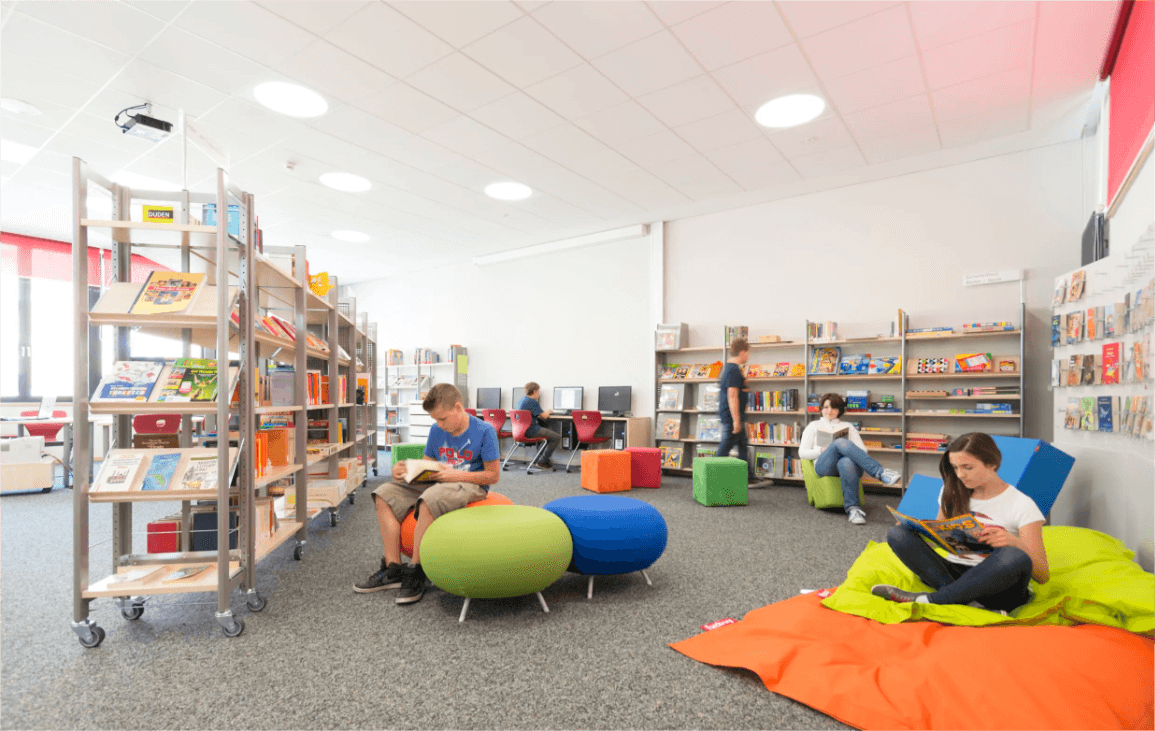
The Keys of Neuroarchitecture for Transforming School Libraries into Teaching Spaces

The Keys of Neuroarchitecture for Transforming School Libraries into Teaching Spaces 1. Introduction: the library as extended brain of the school For decades, the school library has been understood as a consultation and silence space. However, advances in neuroeducation and neuroarchitecture demonstrate that the library can become one of the most powerful spaces for developing

The Keys of Neuroarchitecture for Transforming School Libraries into Teaching Spaces Read more»

la-ecosofia-filosofia-ecologica-en-el-aula-dolores-victoria-leon-ferrari

Ecosophy: Ecological Philosophy in the Classroom

Ecosophy: Ecological Philosophy in the Classroom BY EDUCACIONLAB Ecosophy: Ecological Philosophy in the Classroom «If I had not spent long hours lying in the grass, watching or listening to those brothers of mine, perhaps I would not have understood so well how much life this great earth holds in its breast, all the infinitely small

Ecosophy: Ecological Philosophy in the Classroom Read more»

Ruta del Cambio

Route of Change

Route of Change Growth mindset and route of change: a neuroeducational model for transforming behaviour and learning Growth mindset, developed by Carol Dweck, has demonstrated that students’ beliefs about their capacity change how their brain responds to error, effort and challenges. When a student thinks “I am like this”, their brain interprets the obstacle as

Route of Change Read more»

Funciones ejecutivas y gestión emocional

Executive Functions and Emotional Management

Executive Functions and Emotional Management Executive functions and emotional management: understanding the brain to support students better Executive functions are a set of cognitive skills that allow individuals to direct behavior, regulate emotions, and organize thoughts. Although we often discuss attention, self-control, or flexibility as isolated capacities, they actually form an integrated system that sustains

Executive Functions and Emotional Management Read more»

Historias para construir identidad

Stories to Build Identity

Stories to Build Identity Stories, neuroeducation and affective-sexual education: how stories help the brain build identity and self-esteem Stories have always been a privileged tool for understanding the inner world. Today we know, thanks to neuroeducation, that this intuition has a solid scientific basis: stories activate memory, emotion, imagination and perspective-taking. Therefore, they are especially

Stories to Build Identity Read more»

EducaciónLab - Rutinas neuroeducativas - 5

Neuroeducation and Space Design: the Classroom as a Learning Environment

Neuroeducation and Space Design: the Classroom as a Learning Environment Neuroeducation and space design: how the school environment transforms attention and wellbeing Neuroeducational evidence shows that the brain does not learn in isolation from its context. Physical environment influences perception, attention, emotional regulation and the quality of cognitive processing. Therefore, transforming school spaces is not

Neuroeducation and Space Design: the Classroom as a Learning Environment Read more»

Indicadores de evaluación

Evaluation Indicators for Well-being, Emotion, and Coexistence

Evaluation Indicators for Well-being, Emotion, and Coexistence Evaluating from Neuroeducation. Indicators That Focus on the Brain, Emotion, and Coexistence Evaluating from a neuroeducational perspective means shifting focus from final results toward the processes that enable learning. It is not merely about measuring knowledge but observing whether the educational context fosters attention, emotional regulation, coexistence, and

Evaluation Indicators for Well-being, Emotion, and Coexistence Read more»

Rutinas neuroeducativas

Neuroeducational Routines

Neuroeducational Routines: Structuring the Classroom from Neuroscience Neuroeducational routines: how small habits improve attention, emotion and memory Routines represent powerful yet frequently underestimated tools in education. They require no material resources, demand minimal time investment, and directly impact emotional regulation, attentional capacity and memory consolidation. Neuroeducation explains their effectiveness. Why does the brain need routines?

Neuroeducational Routines Read more»

Shopping Basket
Scroll to Top