Methods and classroom

Blog-metodologias-activas

Active Methodologies

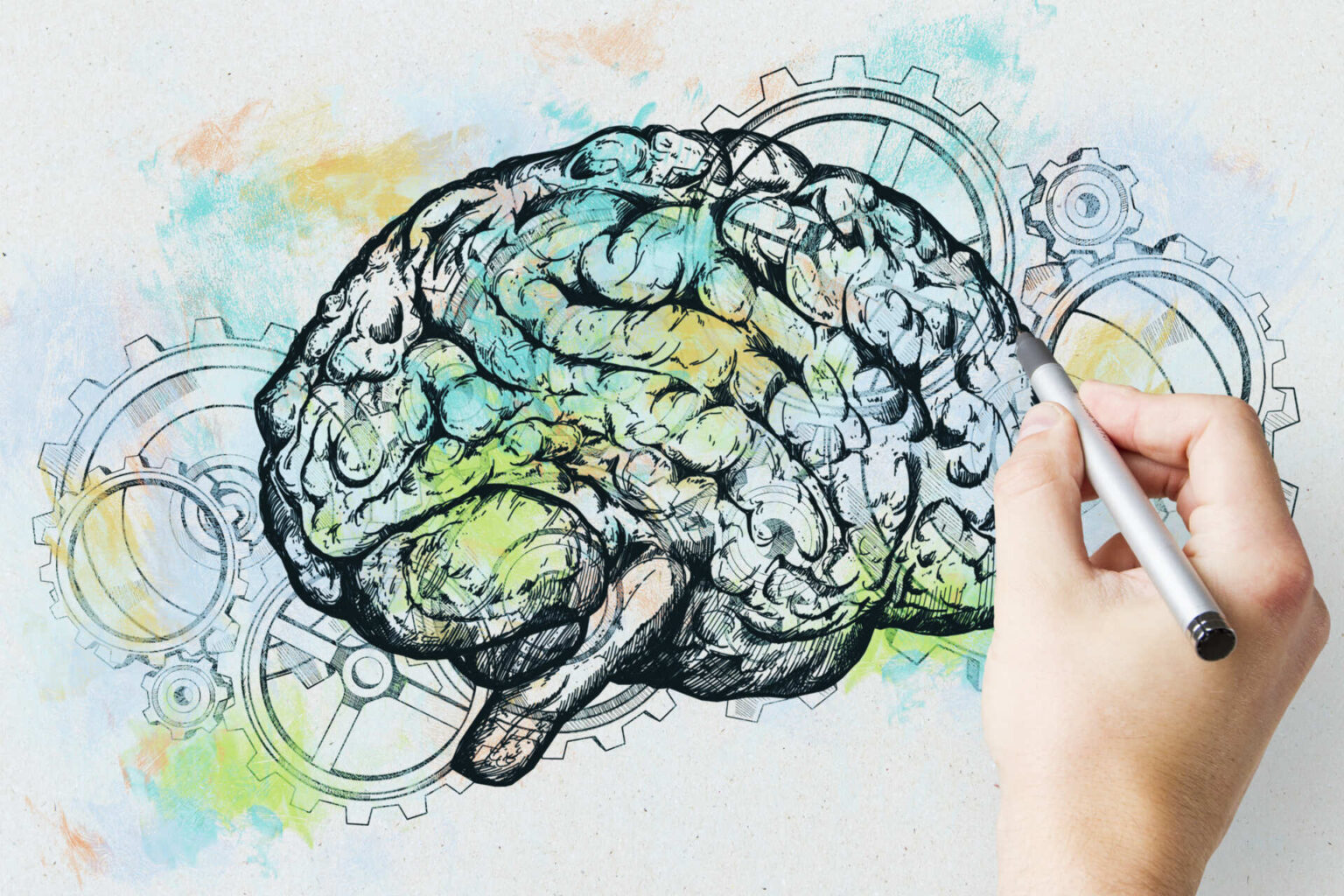
Active Methodologies When we talk about learning, we usually think of content and techniques, but from neuroscience we know that learning is actually changing the brain. Learning means modifying neural architecture: strengthening connections, creating new networks, and reorganizing existing ones. This process is called neuroplasticity and is the biological foundation of all learning. What Experiences […]

Active Methodologies Leer más»
Young Artists: Creativity and Fine Motor Graphics

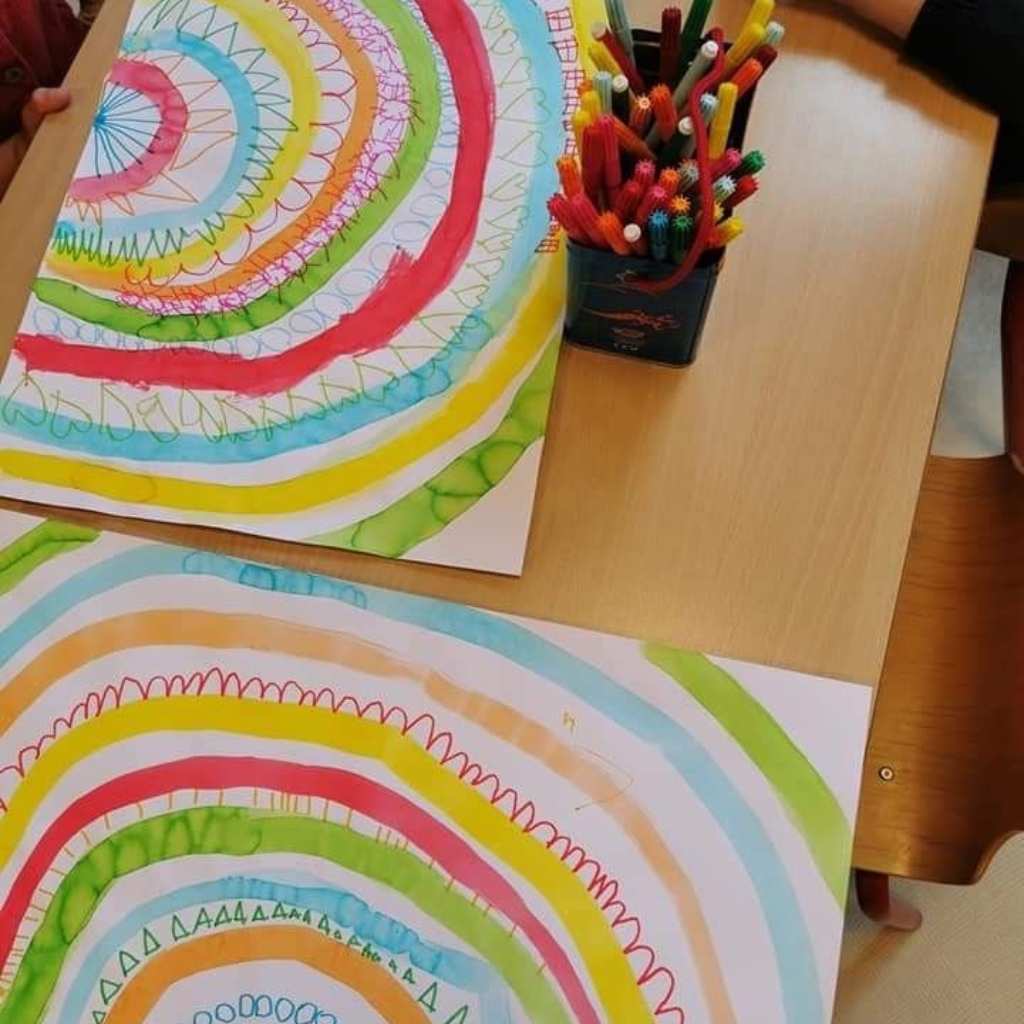
Young Artists: Creativity and Fine Motor Graphics Drawing the Future: How Graphics Activities Enhance Child Development Graphics activities are not merely marks on paper; they are an open door to expression, learning, and the integral development of children. Through them, young learners acquire essential skills such as motor coordination, creativity, and self-confidence. At a stage

Young Artists: Creativity and Fine Motor Graphics Leer más»

Literacy in Early Childhood: Foundations and Strategies

Literacy in Early Childhood: Foundations and Strategies Literacy is a fundamental process in child development, as it enables children to access knowledge and communicate effectively. During early childhood, which spans approximately ages 3 to 6, the foundations for learning to read and write are established. This article explores the importance of literacy in this stage,

Literacy in Early Childhood: Foundations and Strategies Leer más»

Rhythms That Unite: Music and Cohesion in Primary Education

Rhythms That Unite: Music and Cohesion in Primary Education Music is not merely an educational resource; it is a powerful tool that transcends words and connects children at a deep emotional and social level. Its capacity to foster group cohesion, manage emotions, and facilitate learning makes it a key element in early childhood education gatherings.

Rhythms That Unite: Music and Cohesion in Primary Education Leer más»

Transform Your Classroom with Montessori: Autonomy and Meaningful Learning

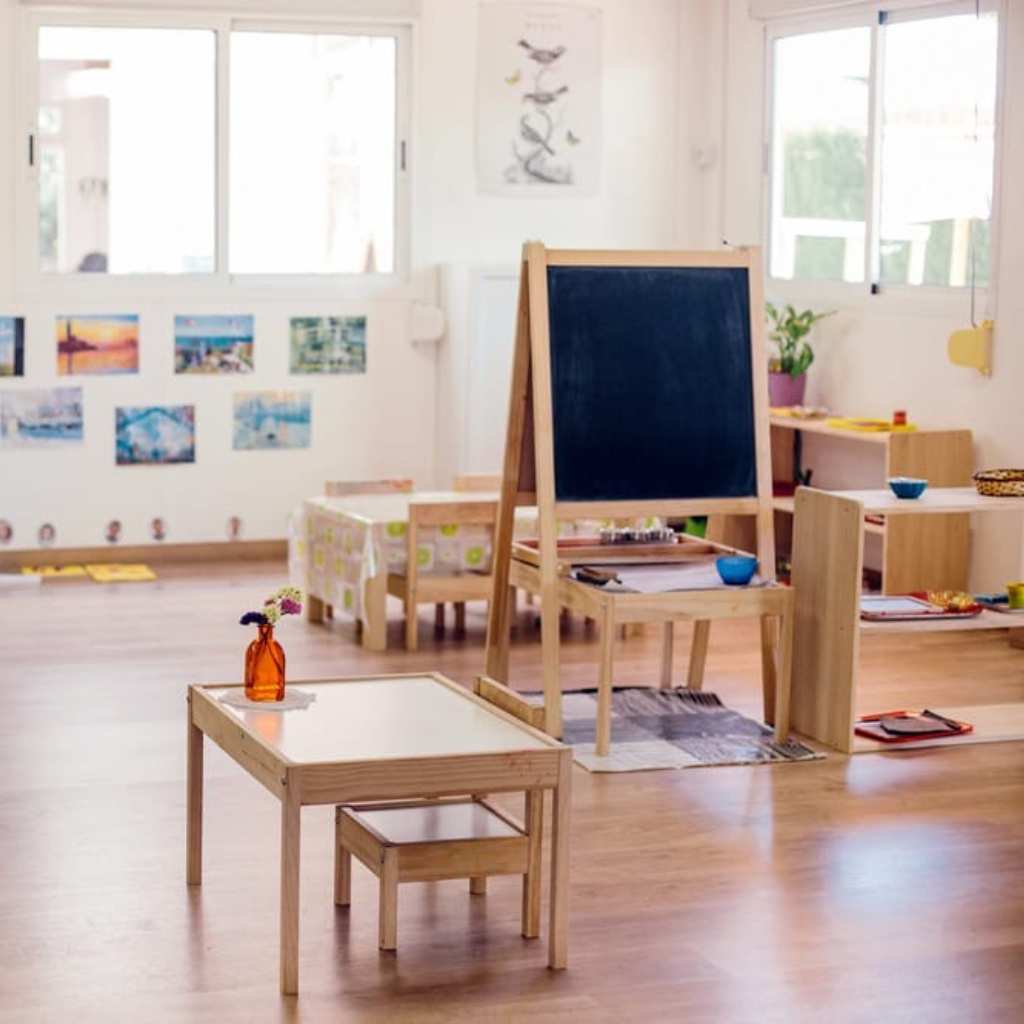
Transform Your Classroom with Montessori: Autonomy and Meaningful Learning The Montessori method is far more than a simple educational methodology; it is a philosophy that respects children’s natural development and enables them to become protagonists of their own learning. Its approach is based on autonomy, exploration, and self-motivation, fostering meaningful learning that lasts a lifetime.

Transform Your Classroom with Montessori: Autonomy and Meaningful Learning Leer más»

Manipulative Mathematics and the OAOA Movement

Manipulative Mathematics and the OAOA Movement Mathematics has traditionally been seen as an abstract and theoretical subject, which in many cases has generated rejection and difficulties in students. However, innovative approaches such as the OAOA movement (Other Algorithms for Arithmetic Operations) are transforming the way children learn this subject. The OAOA movement is a methodology

Manipulative Mathematics and the OAOA Movement Leer más»

Indicadores de evaluación

Evaluation Indicators for Well-being, Emotion, and Coexistence

Evaluation Indicators for Well-being, Emotion, and Coexistence Evaluating from Neuroeducation. Indicators That Focus on the Brain, Emotion, and Coexistence Evaluating from a neuroeducational perspective means shifting focus from final results toward the processes that enable learning. It is not merely about measuring knowledge but observing whether the educational context fosters attention, emotional regulation, coexistence, and

Evaluation Indicators for Well-being, Emotion, and Coexistence Leer más»

Rutinas neuroeducativas

Neuroeducational Routines

Neuroeducational Routines: Structuring the Classroom from Neuroscience Neuroeducational routines: how small habits improve attention, emotion and memory Routines represent powerful yet frequently underestimated tools in education. They require no material resources, demand minimal time investment, and directly impact emotional regulation, attentional capacity and memory consolidation. Neuroeducation explains their effectiveness. Why does the brain need routines?

Neuroeducational Routines Leer más»

¿Por qué el cerebro necesita tocar para entender las matemáticas?

Why the Brain Needs to Touch to Understand Mathematics

Article: Why the Brain Needs to Touch to Understand Mathematics Main Heading Why does the brain need to touch to understand mathematics? Full Article Text Working with mathematics through manipulative materials and flexible approaches is not a trend or mere methodological strategy, but an educational necessity if we truly want our students to understand what

Why the Brain Needs to Touch to Understand Mathematics Leer más»

Shopping Basket
Scroll to Top