Sin categoría

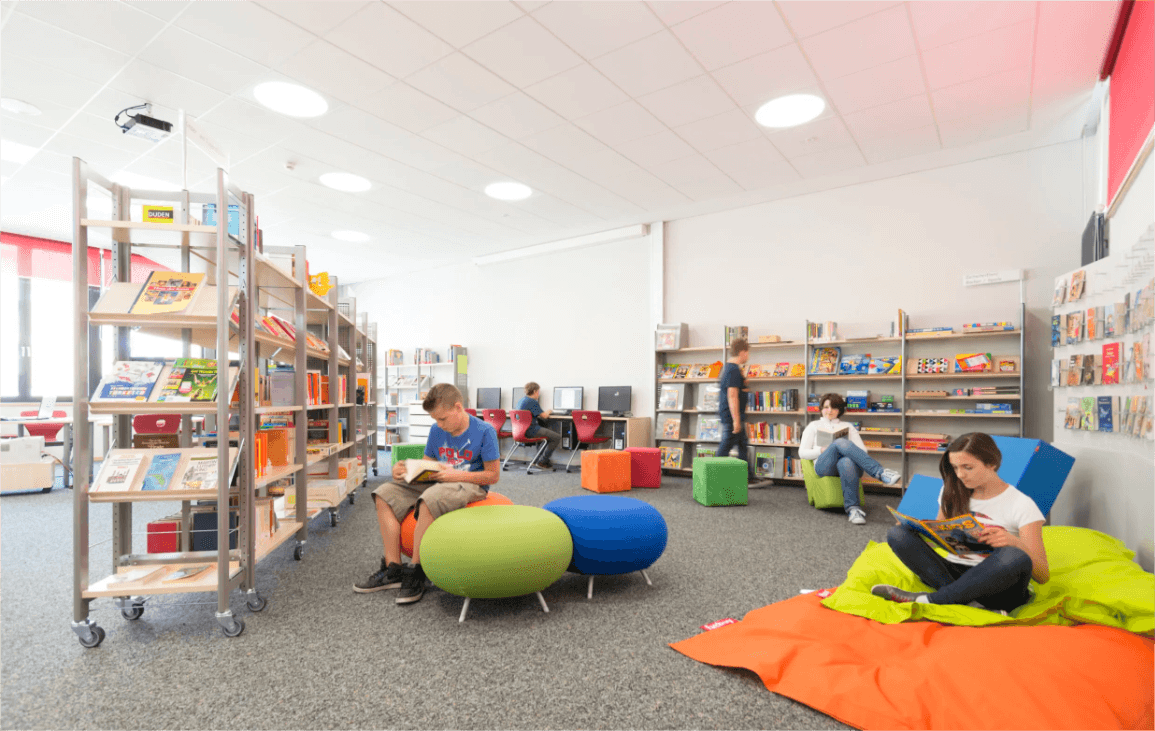
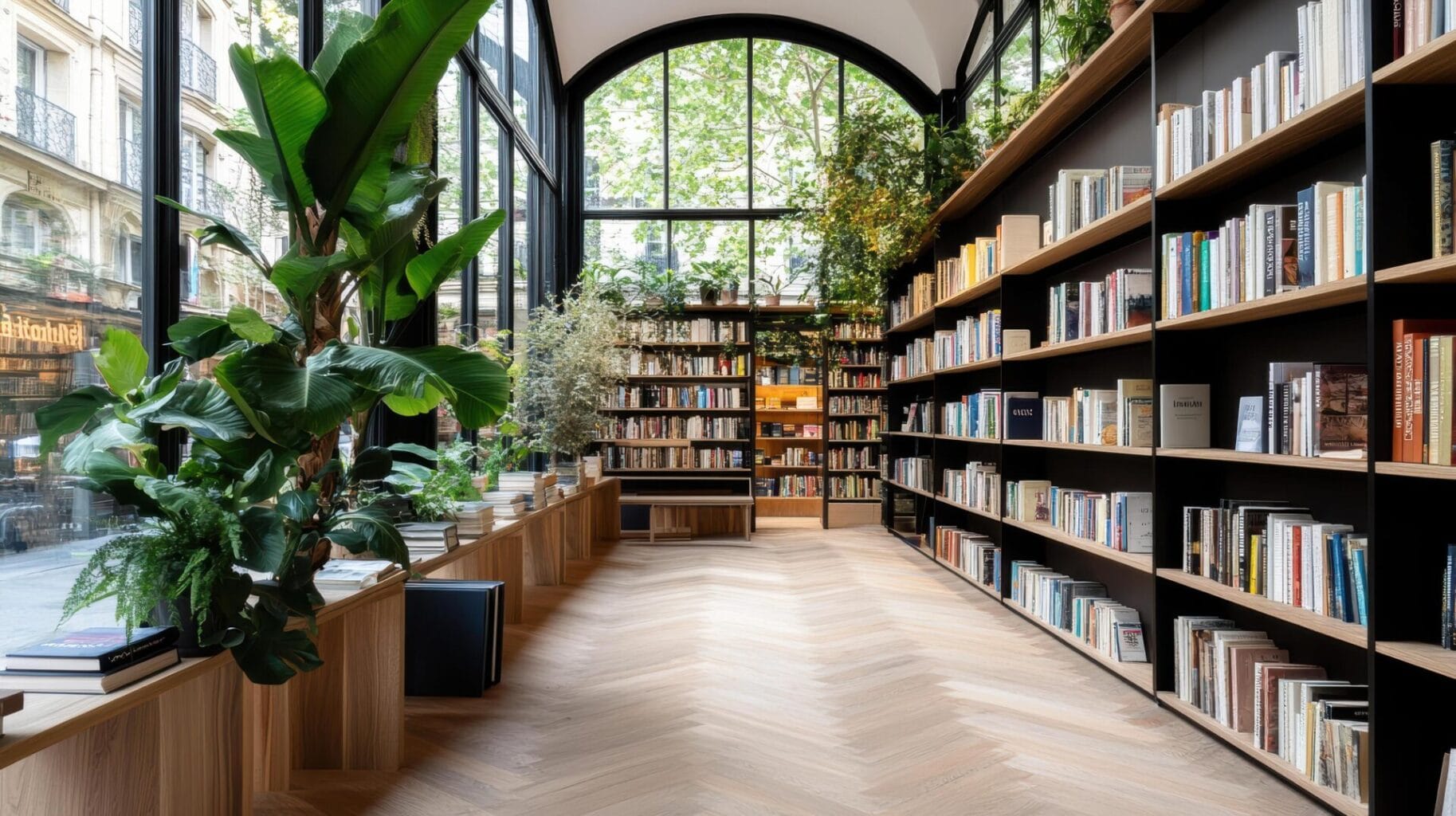
Biblioteca escolar con plantas

Renaturalizing the School Library: Plants, Neuroarchitecture and Well-being in Learning

Renaturalizing the School Library: Plants, Neuroarchitecture and Well-being in Learning BY EDUCACIONLAB Renaturalizing the School Library: Plants, Neuroarchitecture and Well-being in Learning The school library is much more than a place to store books. It is a space where the nature of learning, creativity, and students’ emotional well-being converge. When we integrate plants and natural […]

Renaturalizing the School Library: Plants, Neuroarchitecture and Well-being in Learning Leer más»
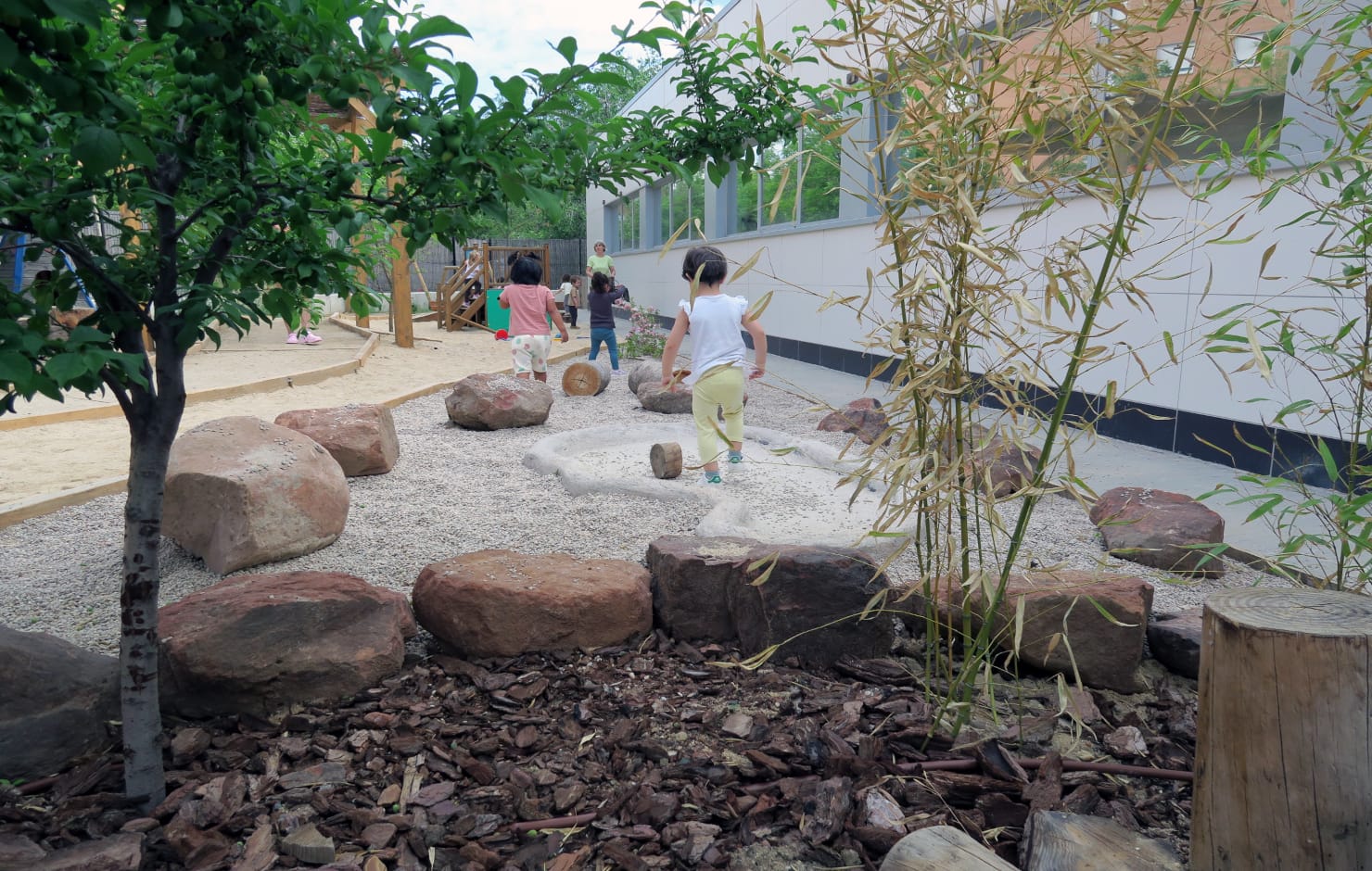
patio infantil

More Than Recess: How to Design a Playground that Enhances the Child’s Brain

More Than Recess: How to Design a Playground that Enhances the Child’s Brain 21 Keys for Creating a Neuroeducational School Playground A playground that is well designed both neuro- and pedagogically is not simply a recreation space, but rather a living laboratory for learning, regulation, and bonding. Each proposal, invitation, texture, color, plant, and shape

More Than Recess: How to Design a Playground that Enhances the Child’s Brain Leer más»

Curiosidad, emoción y vínculo

Curiosity, Emotion and Bond: The Neuroeducational Triangle That Transforms Learning

Curiosity, Emotion and Bond: The Neuroeducational Triangle That Transforms Learning Why curiosity, emotion and bond are the foundation of learning: a neuroeducational perspective Neuroeducation has revealed that learning does not depend solely on teacher explanations. The brain needs to be in an appropriate emotional, motivational, and relational state to activate its cognitive networks. Therefore, understanding

Curiosity, Emotion and Bond: The Neuroeducational Triangle That Transforms Learning Leer más»

Las claves de la biblioteca escolar

The Keys of Neuroarchitecture for Transforming School Libraries into Teaching Spaces

The Keys of Neuroarchitecture for Transforming School Libraries into Teaching Spaces 1. Introduction: the library as extended brain of the school For decades, the school library has been understood as a consultation and silence space. However, advances in neuroeducation and neuroarchitecture demonstrate that the library can become one of the most powerful spaces for developing

The Keys of Neuroarchitecture for Transforming School Libraries into Teaching Spaces Leer más»

Ruta del Cambio

Route of Change

Route of Change Growth mindset and route of change: a neuroeducational model for transforming behaviour and learning Growth mindset, developed by Carol Dweck, has demonstrated that students’ beliefs about their capacity change how their brain responds to error, effort and challenges. When a student thinks “I am like this”, their brain interprets the obstacle as

Route of Change Leer más»

El conflicto como oportunidad

Conflict as Opportunity

Conflict as Opportunity Conflict as opportunity: how the DESEA model improves coexistence from neuroeducation. Conflict is a natural part of school life. It does not appear because something “is going wrong”, but because students live together, think differently, mature at different paces and experience intense emotions. The key is not to avoid it, but to

Conflict as Opportunity Leer más»

Funciones ejecutivas y gestión emocional

Executive Functions and Emotional Management

Executive Functions and Emotional Management Executive functions and emotional management: understanding the brain to support students better Executive functions are a set of cognitive skills that allow individuals to direct behavior, regulate emotions, and organize thoughts. Although we often discuss attention, self-control, or flexibility as isolated capacities, they actually form an integrated system that sustains

Executive Functions and Emotional Management Leer más»

Neuroeducation and Space Design: the Classroom as a Learning Environment

Neuroeducation and Space Design: the Classroom as a Learning Environment Neuroeducation and space design: how the school environment transforms attention and wellbeing Neuroeducational evidence shows that the brain does not learn in isolation from its context. Physical environment influences perception, attention, emotional regulation and the quality of cognitive processing. Therefore, transforming school spaces is not

Neuroeducation and Space Design: the Classroom as a Learning Environment Leer más»

Shopping Basket
Scroll to Top