
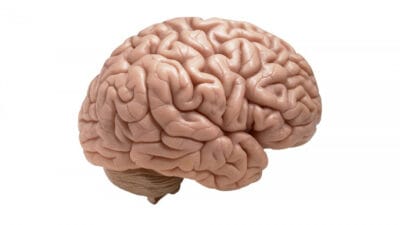
The Cerebral Cortex: The Control Center of Your Mind
The Cerebral Cortex: The Control Center of Your Mind If your brain were a city, the cerebral cortex would be the nerve center where all the action happens. It is the outermost layer of the brain and is responsible for most of the functions that make us human: thinking, speaking,
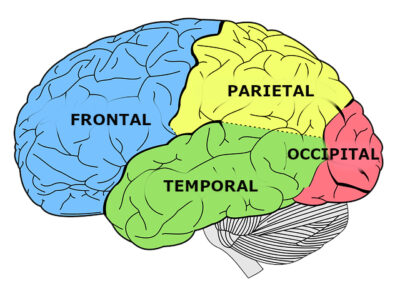
The Brain Lobes: What Does Each Part of Your Brain Do?
The Brain Lobes: What Does Each Part of Your Brain Do? The brain is an incredibly complex organ, but its organization helps us better understand how it works. It is divided into different areas called brain lobes, and each one has specific functions that control what we do, feel, and

overcoming the fear of public speaking
How to overcome the fear of public speaking. Public speaking is one of the situations that generates the most nervousness, but it is also a fundamental skill that can make a difference in your academic and professional life. If you have ever felt your heart beating faster, your hands sweating,

How to Capture Attention in an Oral Presentation
How to Capture Attention in an Oral Presentation: Analyzing Examples. When you speak in public, the most important thing isn’t just what you say, but how you say it. You can have a brilliant idea, but if you don’t manage to get your audience to listen with interest, the message
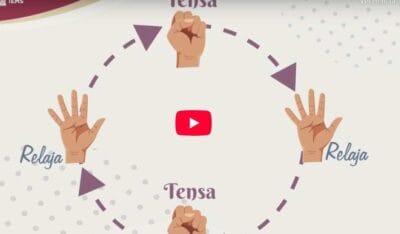
Passive Breaks in the Classroom
Passive Breaks: Small Pauses to Improve Your Concentration At school or while studying at home, your brain works nonstop. But have you ever felt that after a while you lose your concentration? This happens because our brain needs pauses to perform better. This is where passive breaks come into play.

Active Breaks
Active Breaks: Energize Your Brain in Minutes. Sometimes, spending a long time sitting in class or studying at home can make you lose concentration. What would happen if you took small movement breaks to activate your brain and improve your learning? That’s exactly what active breaks do. Before continuing, take

Mindfulness in the Classroom
Mindfulness in the classroom: how and when to apply it to improve attention and well-being Taking a quality break during the day is not a waste of time, it’s an investment in your brain. Numerous studies have shown that brief mindfulness practices, conscious breathing, and stretching have a positive impact

High-Performance Teams: Three Videos to Discover the Keys to Cohesion and Cooperation
High-Performance Teams: Three Videos to Discover the Keys to Cohesion and Cooperation When we work as a team, it’s not enough to just gather a group of people and give them a task. The teams that really work, the ones that achieve great things together, have something in common: they
Attention to Breathing: A Tool for Finding Calm
Attention to Breathing: A Tool for Finding Calm Did you know that paying attention to how you breathe can help you feel calmer and more focused? We often breathe automatically, without realizing that, if we do it consciously, we can influence how we feel. Would you like to learn how?

What Do You Need More: Food or Affection?
What Do You Need More: Food or Affection? Imagine you are a baby monkey. In front of you are two figures that can «take care of you»: one is a metal skeleton that gives you milk; the other is a soft cloth figure that doesn’t feed you, but feels warm

What Are Neurons
What are neurons and how does the synapse work? If your body were a big city, neurons would be like the cables that connect each building, allowing information to travel at full speed from one place to another. Neurons are a type of nerve cell, and their mission is to
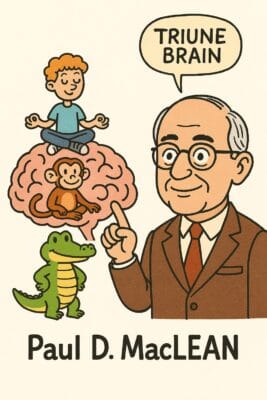
Triune Brain
Do we really have three brains? You have probably heard that our brain is divided into three parts: the reptilian brain, the limbic system, and the cerebral cortex. This idea was proposed by Paul MacLean in the 1960s and is known as the triune brain theory. However, although this classification