

Active Breaks: Energize Your Brain in Minutes.
Sometimes, spending a long time sitting in class or studying at home can make you lose concentration. What would happen if you took small movement breaks to activate your brain and improve your learning? That’s exactly what active breaks do.
Before continuing, take a look at these activities. You’ll see that some of them don’t involve much movement, but it’s important that, before incorporating more active activities, you start with these in class until you get used to these pauses and to returning to classroom activity without any problems.
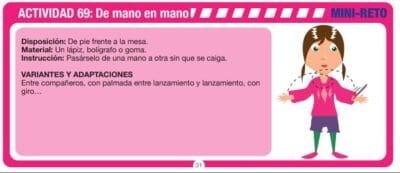
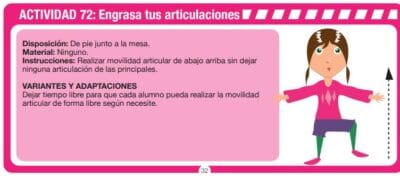
What are active breaks?
Active breaks are brief moments of controlled movement designed to improve attention and well-being without disrupting the classroom environment. Unlike passive breaks, these involve light physical activity, which helps improve blood flow and oxygenation to the brain.
Why are they important?
- Reduce mental fatigue and improve your ability to concentrate.
- Help you remember information better by combining movement with learning.
- Increase motivation and reduce stress.
- Encourage active participation in the classroom.
Can we use them in class without noise?
Of course! There are active break activities that don’t create a commotion and can be adapted to the classroom without interrupting the flow of the class. Some ideas include:
- Silent stretching exercises.
- Controlled movements in place (such as neck and shoulder rotations).
- Deep breathing combined with small movements.
- Reviewing content through movement (such as gestures linked to key words).
When and for how long?
Now, a big question: Which is better — taking 2-3 minute breaks every half hour, or one longer 5-8 minute break every two hours?
Studies suggest that frequent short breaks are more effective for maintaining focus and avoiding mental fatigue. Can you imagine taking 3-minute breaks in class and noticing the difference in your performance?
Three key words: Rest, learning, and movement
Active breaks not only relax the body, but can also include subject content. For example, you could:
- Do a quick review activity while moving.
- Use gestures or postures to remember concepts.
- Link movements to key words from the topic.
After watching this video, reflect:
- How do you feel after an active break compared to a passive break?
- How much time do you think you could dedicate to these breaks without affecting the class?
- How would you convince your teacher that these breaks improve attention and learning?
Active breaks are a powerful tool for improving learning and well-being. Try them and you’ll see the difference!