
Neurotransmitters and Hormones: The Secret Messengers of Your Brain
When you think, feel, fall in love, get stressed before an exam, or get excited about a goal… your brain never stays still. Thousands of invisible messengers –neurotransmitters and hormones– travel at full speed between neurons and throughout your body, triggering reactions that shape how you behave, how you think, and how you remember.
You could say they’re like the notifications on your phone: sometimes a buzz puts you on alert, other times a special message makes you smile, and occasionally your heart races because of an unexpected alert.
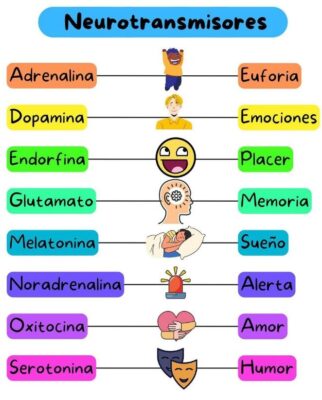
Dopamine: the spark of motivation
Dopamine is your brain’s “like” button. It activates when you reach a goal, unlock a level in a video game, or receive a compliment. But watch out: it also gets hooked on social media, because every notification can trigger that little “rush.”
Dopamine motivates you, but if you only rely on it for quick fixes (like likes or endless scrolling), everything else can start to feel boring. The key is learning to seek dopamine through achievements that truly matter, like finishing an assignment, training, or improving at a hobby.
Serotonin: the mood regulator
One day you’re in a good mood for no apparent reason, and the next everything bothers you? Serotonin has a lot to do with that. It’s the hormone of calm and satisfaction. Climbing a mountain, laughing with friends, or getting sunlight all trigger it.
That’s why gray days spent stuck at home make us feel more low. Going for a walk or playing sports are simple tricks to give it a natural boost.
Cortisol: the stress alarm
Cortisol is like the siren that goes off when you sense danger. Before an exam, during an argument at home, or when you overthink what others will say, your brain releases cortisol.
A little cortisol helps: it activates you and sharpens your focus. But too much time at high levels is like having a car alarm blaring nonstop: it wears you down and blocks you. Deep breathing, taking breaks, or playing sports help regulate it.
Oxytocin: the bonding hormone
It’s released when you trust someone, hug a friend, or feel part of a group. It’s responsible for you enjoying a game or a class more when there’s good energy in the group.
It’s like social glue: the more you share it, the stronger it gets. Without oxytocin, everything would be colder and more individualistic.
Adrenaline: the spark of action
Have you felt butterflies in your stomach when speaking in public or on a roller coaster? That’s adrenaline. It prepares you to react quickly, raises your heart rate, and puts you in “action mode.”
Adrenaline can be fun, but also uncomfortable. Learning to channel it –for example, by breathing before an exam or using the extra energy in sports– is key.
GABA and endorphins: nature’s calming agents
GABA is like the pause button: it slows down brain overactivity, helping you focus and stay calm.
Endorphins, on the other hand, are responsible for the euphoria after running, dancing, or laughing hard. They’re the body’s “natural painkillers,” able to ease even physical pain.